

Wood is a versatile and timeless material that adds warmth and character to any space. Whether it’s a beautifully crafted piece of furniture, an elegant deck, or charming wooden accents, the natural allure of wood is undeniable. To preserve its beauty and extend its lifespan, using the right wood stain sealer is crucial. In this comprehensive guide, we’ll delve into the world of wood stain sealers, exploring their benefits, types, application methods, and essential tips to help you make informed decisions for your wood projects.
Benefits of Wood Stain Sealers
Wood stain sealers offer a multitude of benefits that go beyond mere aesthetics. They play a pivotal role in protecting wood against various elements, ensuring its longevity and maintaining its original charm.
Enhanced Aesthetics: Wood stain sealers come in a wide array of colors and finishes, allowing you to choose the perfect shade to enhance the natural beauty of your wood while adding a layer of protection.
UV Protection: Exposure to sunlight can lead to fading and discoloration of wood. High-quality wood stain sealers contain UV inhibitors that shield wood from the damaging effects of ultraviolet rays.
Waterproofing: Wood is vulnerable to water damage, which can lead to warping, rotting, and mold growth. A reliable wood stain sealer forms a protective barrier against moisture, preventing these issues.
Prevention of Cracking and Splitting: Changes in humidity can cause wood to expand and contract, leading to cracks and splits. A well-applied sealer helps minimize these effects, keeping your wood intact.
Easier Maintenance: A sealed wood surface is much easier to clean and maintain. Stains and spills are less likely to penetrate, making cleanup a breeze.
Types of Wood Stain Sealers
There are various types of wood stain sealers available, each designed to cater to different needs and preferences. Here are the most common types:
Oil-Based Sealers: These provide a rich color and deep penetration into the wood. They’re ideal for enhancing the natural grain and beauty of hardwoods. However, they may require longer drying times.
Water-Based Sealers: Environmentally friendly and quick-drying, water-based sealers emit fewer fumes and are easy to clean up. They offer excellent UV protection and come in a range of finishes.
Gel Stains: Gel stains are thicker and are perfect for achieving consistent color on vertical surfaces like doors and cabinets. They’re easy to apply and provide excellent coverage.
Spar Urethane Sealers: Commonly used for outdoor wood projects, spar urethane sealers offer exceptional protection against moisture, UV rays, and temperature fluctuations.
Application Methods
Proper application of a wood stain sealer is essential to achieve the desired results. Follow these steps for a successful application:
Surface Preparation: Ensure the wood surface is clean, dry, and free from any old finishes, dirt, or debris. Sand the wood to a smooth finish if necessary.
Stir the Sealer: If the sealer has been sitting, make sure to stir it thoroughly to ensure an even distribution of color and additives.
Test on a Sample: Before applying the sealer to your entire project, test it on a small, inconspicuous area to ensure you’re satisfied with the color and finish.
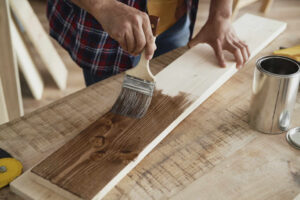
Application Technique: Use a brush, cloth, or sprayer to apply the sealer evenly, following the wood’s natural grain. Avoid over-applying, as this can lead to a sticky or uneven finish.
Drying Time: Allow the sealer to dry according to the manufacturer’s recommendations. This time may vary depending on the type of sealer and environmental conditions.
Multiple Coats: Depending on the desired intensity of color and level of protection, apply additional coats of sealer as needed. Sand lightly between coats for a smoother finish.
Essential Tips for Wood Stain Sealing Success
Always work in a well-ventilated area and wear appropriate safety gear, including gloves and a mask.
Consider the wood’s intended use and location when choosing a sealer. Outdoor wood requires more robust protection than indoor wood.
Follow the manufacturer’s guidelines for coverage and drying times to ensure optimal results.
Regularly inspect sealed wood surfaces for any signs of wear or damage. Reapply the sealer as needed to maintain protection.
Choose the right sealer for your project’s requirements – whether it’s a high-gloss finish for a sophisticated look or a matte finish for a more rustic vibe.
Maintaining the Beauty of Sealed Wood
Once you’ve successfully applied a wood stain sealer to your project, proper maintenance is key to ensure the beauty and protection of the wood endure over time. Here are some practical tips to help you maintain your sealed wood surfaces:
Regular Cleaning: Dust and debris can accumulate on sealed wood surfaces, affecting their appearance. Regularly dust the surfaces with a soft cloth or microfiber duster to keep them clean.
Gentle Cleaning Solutions: When more thorough cleaning is required, opt for mild, non-abrasive cleaning solutions. Mix a small amount of dish soap with water, dampen a cloth, and gently wipe down the sealed wood.
Avoid Harsh Chemicals: Harsh chemicals and abrasive cleaners can strip away the protective layer of the sealer and damage the wood. Avoid using products that contain bleach, ammonia, or other strong chemicals.
Prompt Spill Cleanup: Accidental spills should be wiped up immediately to prevent any potential staining or damage to the sealed wood. Use a clean cloth to blot the spill gently.
Avoid Scratches: While wood stain sealers provide a protective layer, they are not immune to scratches from sharp objects. Use coasters, placemats, and felt pads under furniture legs to prevent scratches.
Reapplication: Over time, the protective layer of the sealer can wear down due to exposure to the elements and everyday use. Depending on the type of wood and the sealer used, you might need to reapply the sealer every few years or as needed.
Inspect for Damage: Regularly inspect your sealed wood surfaces for any signs of wear, cracking, or peeling. If you notice any issues, address them promptly to prevent further damage.
Outdoor Wood Care: If you’ve applied a wood stain sealer to outdoor projects like decks or furniture, be vigilant about protecting them from harsh weather conditions. Use covers or move items indoors during severe weather to extend their lifespan.
Seasonal Checks: Seasonal changes can impact the condition of your sealed wood surfaces. Make it a habit to assess and address any maintenance needs during transitions between seasons.
Professional Assistance: If you’re unsure about the condition of your sealed wood surfaces or how to properly maintain them, consider consulting a professional. They can offer guidance and recommend suitable products for upkeep.
A well-chosen and properly applied wood stain sealer can transform your wood projects into long-lasting pieces of functional art. From enhancing the wood’s natural beauty to protecting it from the elements, a high-quality sealer is an essential component of any woodworking endeavor. Remember that maintenance is crucial to ensure your sealed wood surfaces remain as stunning and protective as the day they were finished. With the right care, your wood projects will continue to be admired for years to come, standing as a testament to your craftsmanship and dedication to preserving the timeless allure of wood.
Our goal is to provide high-quality painting services with clients utmost satisfaction. For free consultation about your needs, don’t hesitate to contact us at https://columbiapaintpros.com or contact us.
FAQ’s
Transform Your Space with Professional Cabinet Painting Services