
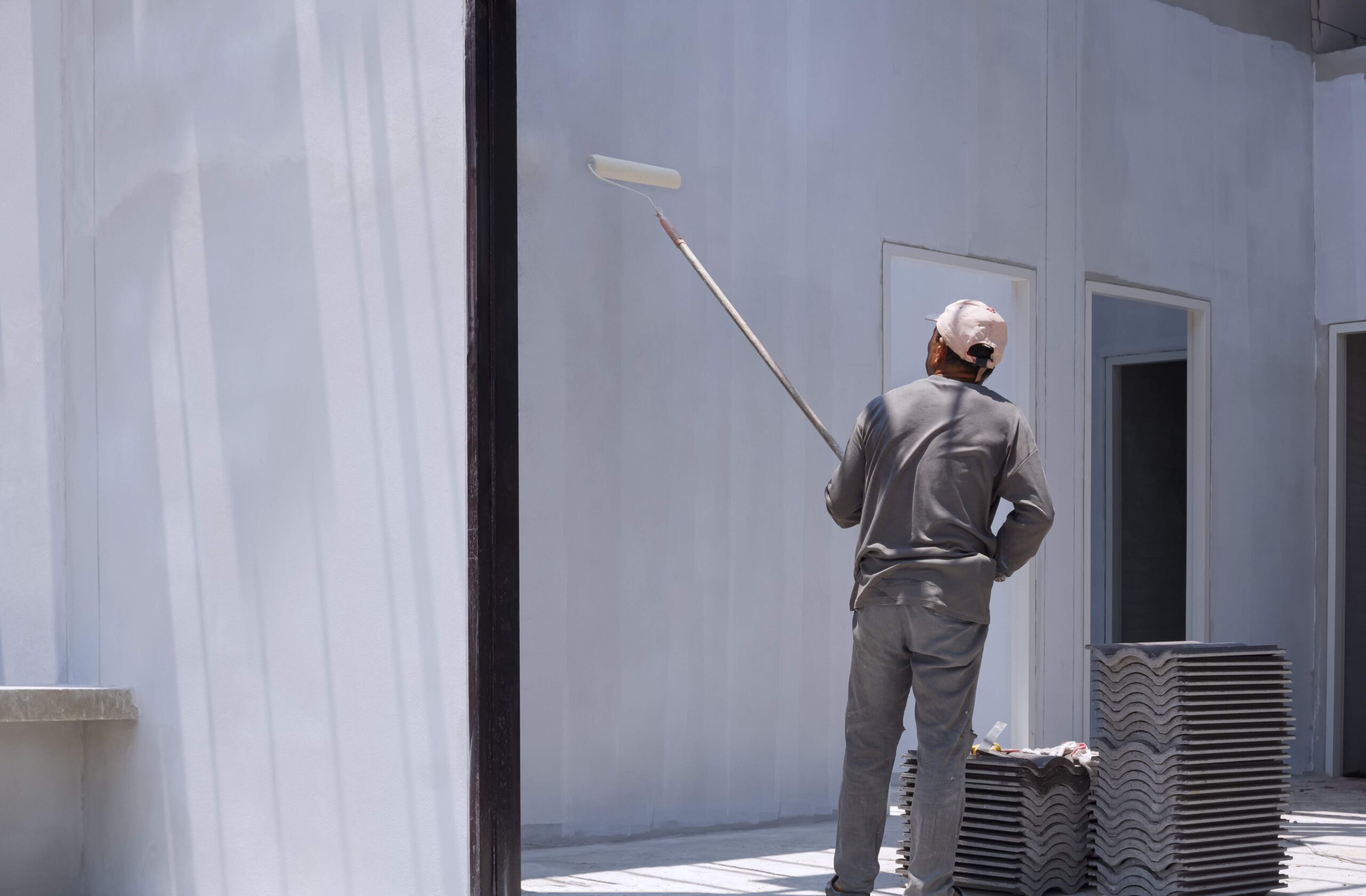
Interior painting is one of the most effective ways to refresh a home, increase property value, and create a healthier, more enjoyable living space. Yet many homeowners feel uncertain when estimating how much the project will cost—especially the labor portion. Understanding interior painting labor cost per square foot can help you budget wisely, compare quotes fairly, and avoid unpleasant surprises. This guide breaks down everything you need to know.
Average Labor Cost for Interior Painting
Across most regions, professional painters charge between $1.50 and $4.00 per square foot for labor alone. When materials such as paint, primer, and supplies are included, the total cost often rises to $3.00–$7.00 per square foot. The wide range reflects differences in location, wall condition, ceiling height, and project complexity.
For example, painting a 1,500-square-foot home interior may cost anywhere from $4,500 to $10,500 depending on those variables. Smaller rooms with minimal prep may fall at the lower end, while detailed spaces with repairs, trim work, and multiple colors will cost more.
What Influences Labor Pricing?
1. Condition of the Walls
Painters rarely work on perfectly smooth surfaces. Cracks, holes, water stains, or peeling paint require preparation such as patching, sanding, and priming. Prep work can account for 50 percent of total labor time, significantly raising the price per square foot.
2. Room Size and Layout
Large, open rooms are faster to paint than small spaces filled with doors, windows, and built-ins. Bathrooms, kitchens, and hallways often cost more per square foot because cutting in around cabinets and fixtures is time-consuming.
3. Ceiling Height
Standard 8-foot ceilings are straightforward. Once heights reach 10–12 feet or more, painters need ladders or scaffolding, which slows progress and increases labor charges.
4. Trim and Detail Work
Painting baseboards, crown molding, doors, and window frames requires precision. If you want trim painted a different color or finish, expect labor costs to rise by $1–$2 per square foot of floor area.
5. Type of Paint and Finish
High-end paints or specialty finishes like satin, semi-gloss, or textured coatings demand more skill and additional coats. While material cost is separate, labor increases because application takes longer.
6. Geographic Location
Labor rates vary widely. Metropolitan areas with higher living costs often see rates 20–40 percent above national averages, while rural regions may be lower.
How Professionals Calculate Estimates
Most contractors begin by measuring wall surface area rather than floor area. A typical method:
- Measure room perimeter
- Multiply by wall height
- Subtract windows and doors
- Add ceilings if included
Painters then estimate hours required based on surface condition and multiply by their hourly rate, usually $25–$60 per hour per painter. The result is converted into a per-square-foot price for easier comparison.
Room-by-Room Cost Examples
- Bedroom (12×12): $350–$800
- Living Room (20×15): $700–$1,600
- Kitchen: $600–$1,400
- Bathroom: $250–$700
- Hallway: $200–$500
These ranges assume walls, ceilings, and basic trim with moderate prep.
DIY vs. Hiring a Professional
Homeowners often consider painting themselves to save money. DIY material costs may be only $0.50–$1.00 per square foot, but the real expense is time and quality. Professionals deliver:
- Faster completion
- Cleaner edges and smoother finishes
- Proper surface preparation
- Insurance and warranty coverage
Mistakes such as visible roller marks or peeling paint can require costly rework, eliminating any savings.
Tips to Reduce Labor Costs
- Clear the space yourself – Move furniture and remove wall décor before painters arrive.
- Handle minor repairs – Filling small nail holes can lower prep time.
- Use the same color – Repainting with a similar shade may require fewer coats.
- Bundle rooms together – Larger projects usually receive better per-square-foot rates.
- Schedule during off-peak seasons – Winter months often bring discounts.
Questions to Ask Your Painter
- Does the quote include prep work and primer?
- How many coats are planned?
- Are trim, doors, and ceilings included?
- What brand and grade of paint will be used?
- Is cleanup part of the labor price?
Getting clear answers ensures you compare bids accurately rather than choosing the lowest number that hides exclusions.
Understanding Quotes
A professional estimate should list:
- Total square footage
- Scope of prep work
- Number of coats
- Areas included (walls, ceilings, trim)
- Labor vs. material breakdown
- Timeline and warranty
If a quote only gives a lump sum without details, request clarification.
Final Thoughts
Interior painting labor cost per square foot depends on far more than the size of your home. Surface condition, design complexity, and local market rates all shape the final price. By understanding how painters calculate labor and what drives costs up or down, you can plan a realistic budget and choose a contractor with confidence.
Investing in skilled labor often pays for itself through durability, appearance, and peace of mind. Whether you are refreshing a single room or transforming an entire house, informed decisions will help your project deliver beautiful, long-lasting results. Contact us now.